Pet Pesticides are harming wildlife, rivers, and even human health. With a few simple actions, you can help protect your pet and protect our rivers.
What’s happening?
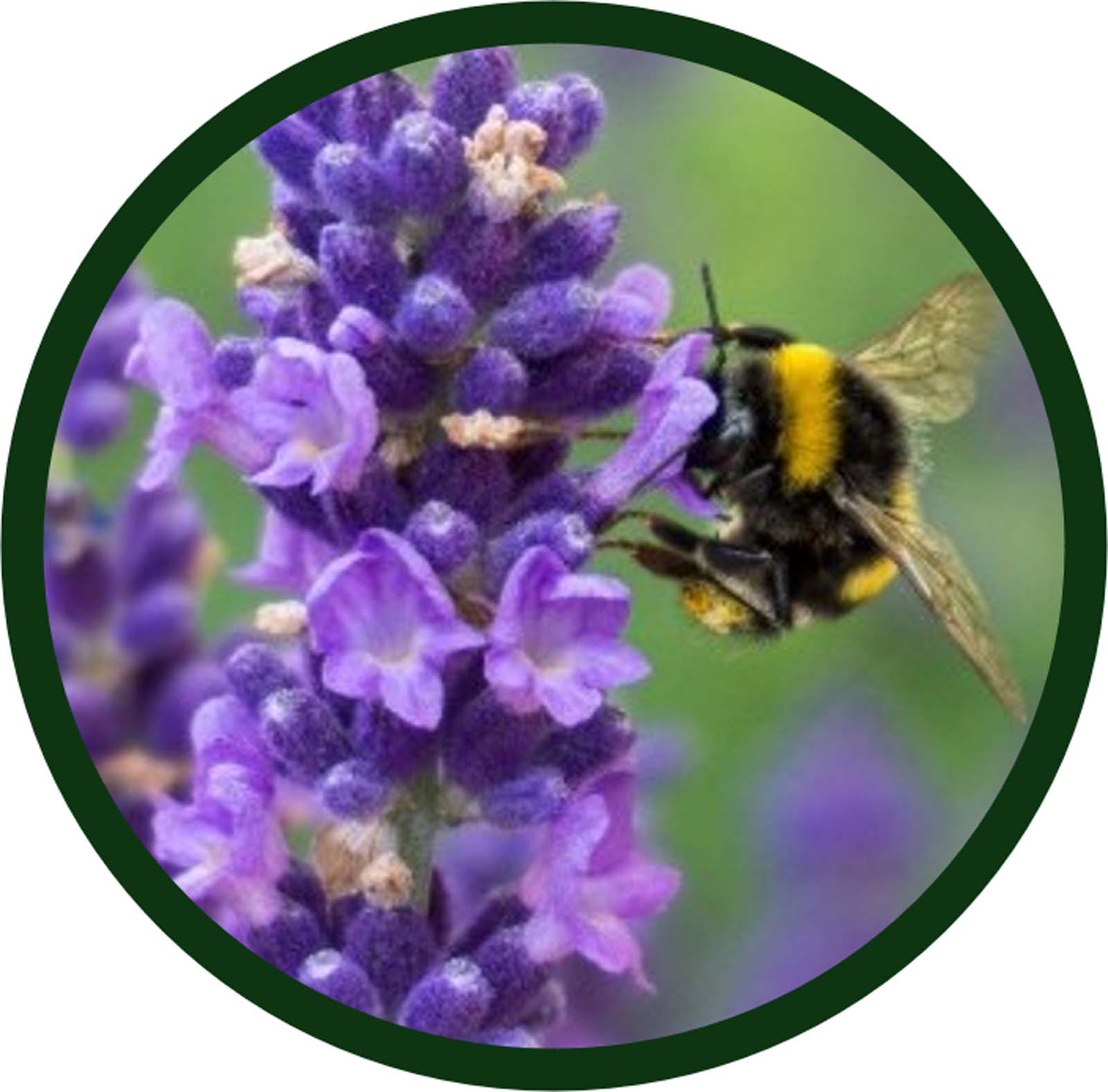
‘Spot-on’ pet flea and tick treatments contain powerful neurotoxic insecticides, specifically fipronil and imidacloprid. Readily available to buy on supermarket shelves, these chemicals are polluting our rivers and devastating aquatic wildlife populations. Both chemicals were banned for agricultural use 10 years ago due to their severe harm to insects (one drop of fipronil kills 30,000 bees), yet government still allow these pesticides to be freely available for use on pets. With PDSA data pointing to roughly 10-11 million dogs and 10 – 12 millions cats in the UK, regulation is urgently needed.
How do these chemicals reach our rivers?
Chemicals from ‘spot-on’ pet flea and tick treatments reach our waters by…
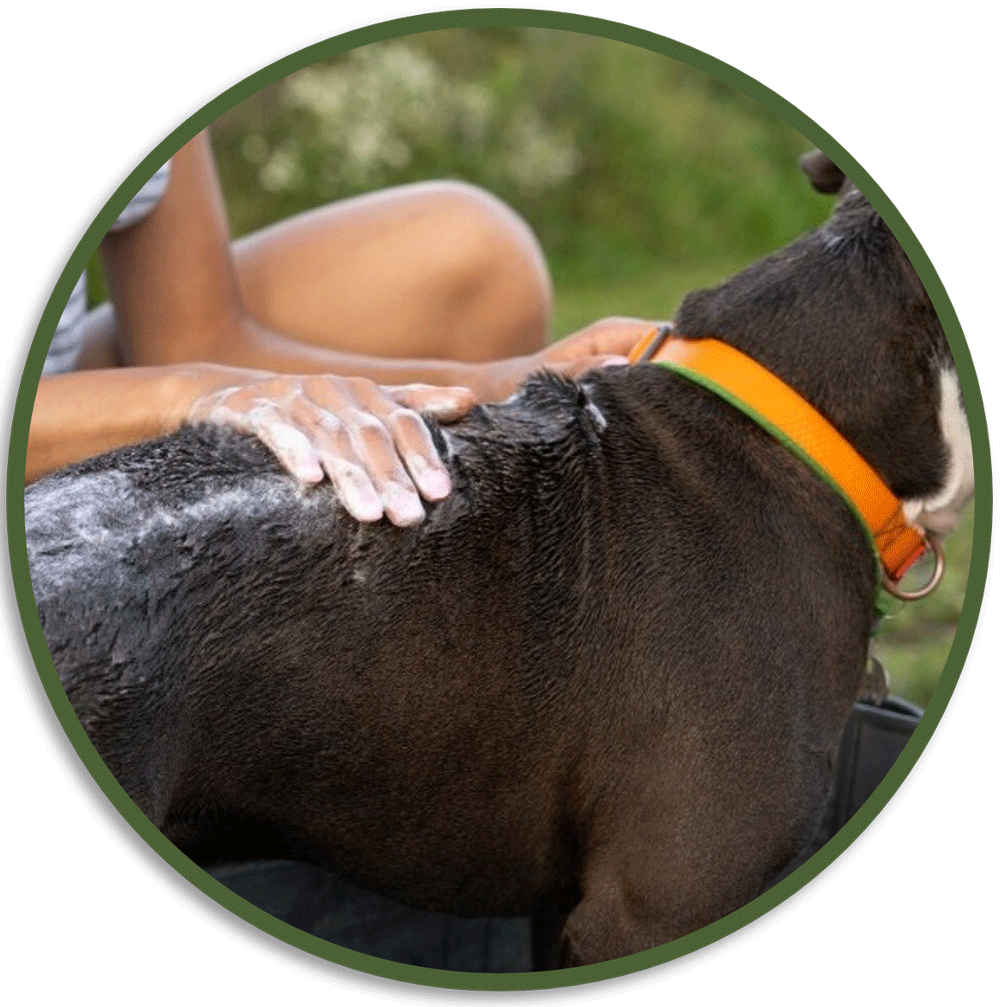
…washing treated pets and washing bedding. Chemicals contaminate drained wastewater, pass through treatment works and are released into rivers.
What can pet owners do?
With a few simple steps, pet owners can look after the health of their pets, without harming the environment. Here are our top four tips:
Use treatments only when needed
Speak to your vet about the risks of prevention ≠ automatic chemical use.
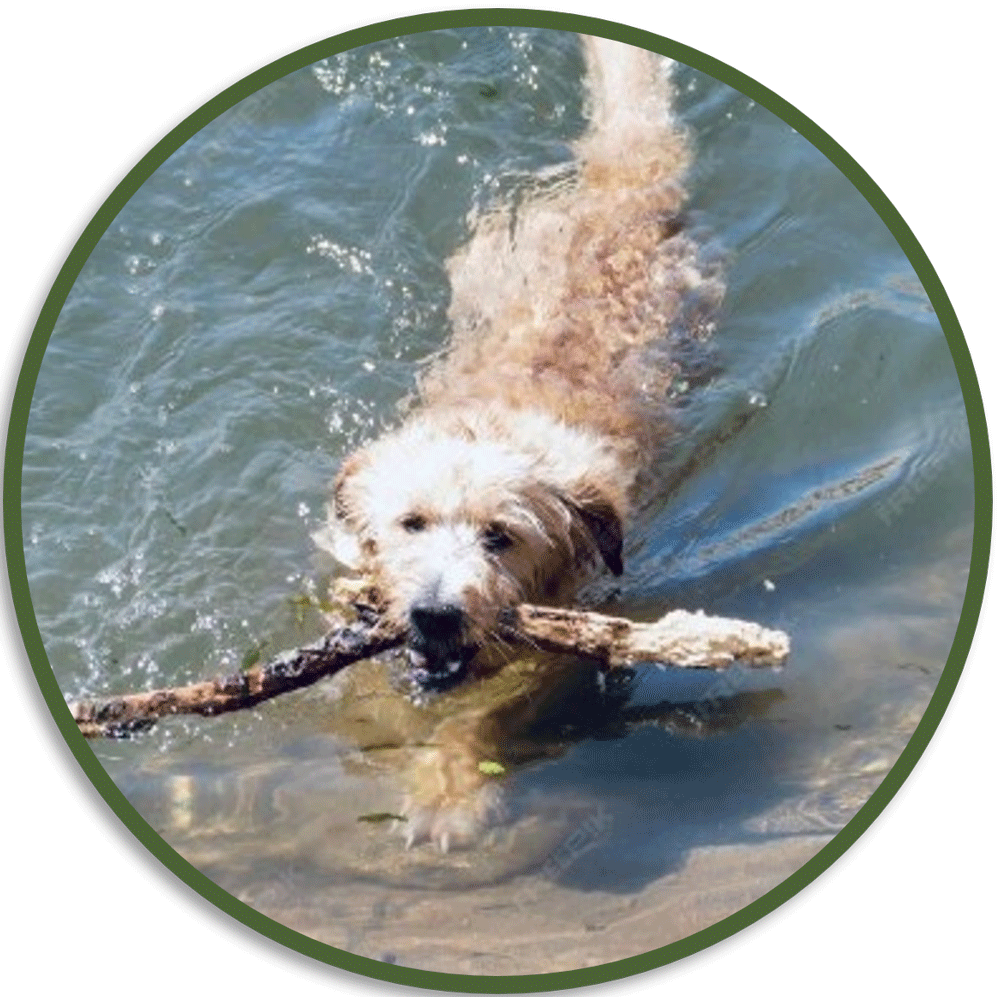
Keep dogs out of rivers
After using ‘spot-on’ treatments, keep dogs out of rivers for 28 days.
Consider non-toxic alternatives
Look at using non-toxic flea and tick treatments. They are out there!
Reduce chemical spread
Pick up and bag pet poo. Brush and bin pet hair. Wash pets and their bedding before treatment, then wait at least 28 days after treatment before washing again.
"Healthy pets don’t have to mean poisoned rivers. Small choices by many people can protect wildlife, water, and future generations."
Did you know?
Below are a few key facts highlighting the harm caused by ‘spot-on’ flea and tick treatments, and why this issue sits at the heart of our Waters of Exmoor campaign.
Fipronil and imidacloprid were banned for agricultural use 10 years ago due to their severe harm to insects, yet they are still freely accessible for use on pets.
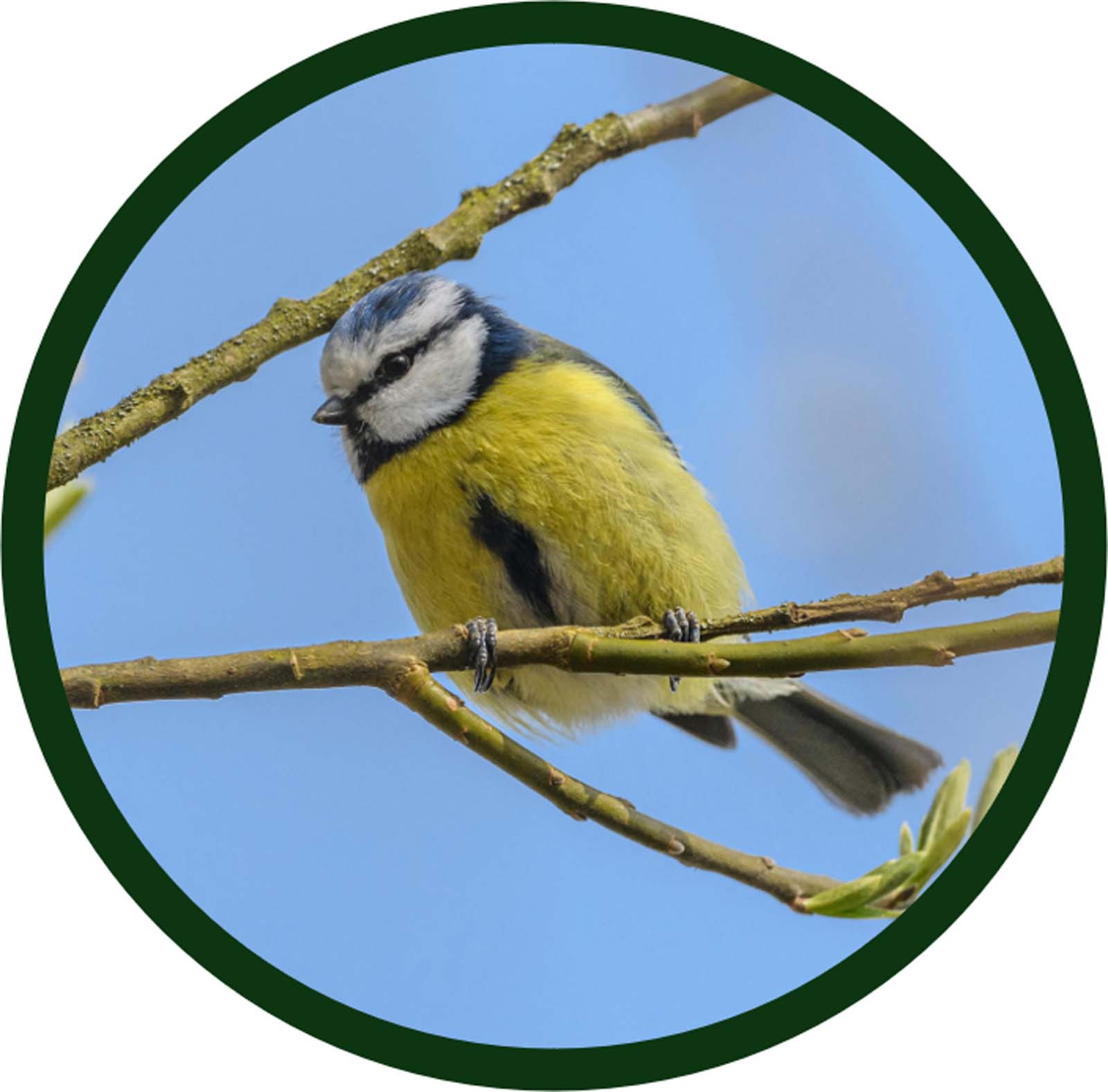
*Tossin de Montaigu, C., Glauser, G., Gunchard, S. and Goulson, D. (2025) ‘High prevalence of veterinary drugs in bird’s nest’, Science of the Total Environment, volume 964, 10th February 2025.