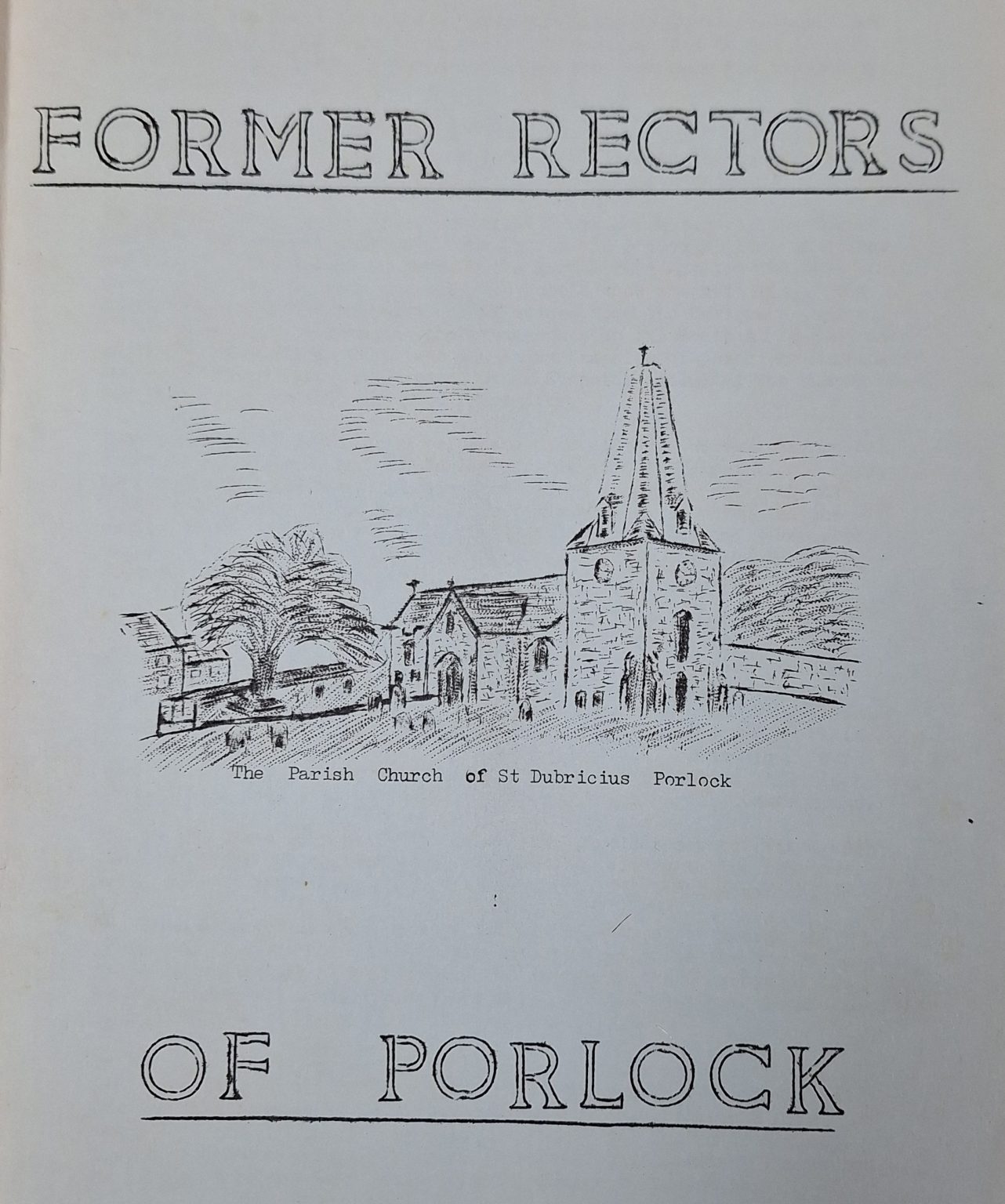
In 1533, a new Rector, Robert Brock, arrived in Porlock. He found a church with paintings from the Scriptures all over its walls, a rood screen separating the nave and the sanctuary, and a Chantry Chapel to the memory of Lord Harrington and his wife, Elizabeth Courtenay. Two Chantry priests from Cleeve Abbey, Reverends Robert Laurence and John Wollock, gave daily masses in their memory and lived in the neighbouring Chantry Cottage. Everything in the Church looked safe and peaceful.
But 1533 was also the year when everything changed. King Henry VIII married Ann Boleyn in January and made her Queen in June. This required the break from the Catholic Church that was swiftly followed by the Dissolution of the Monasteries.
In 1537, bedraggled monks arrived from Cleeve Abbey. Armed men from the King had evicted them, burning their books and taking all the Abbey valuables, including lead from the roof.
Worse was to come in 1547 during the rule of Henry’s son Edward VI, when the King’s soldiers came to Porlock to banish the Chantry priests and confiscate their possessions. Four years later, more soldiers came who smashed all the stained glass windows and destroyed the shrines and wall paintings. St Dubricius became a “windowless shell of a church with all its colour and joy destroyed.”
In his twenty-nine years as Rector, Robert Brock lived through four monarchs and four changes of religion, switching between Protestantism and Catholicism. One of the few constants was the 1,000 year old yew tree in the churchyard.
Graeme Horn, Archive Volunteer