At the beginning of June, a number of Exmoor Society Trustees took a walk from Bossington across Porlock Marsh to explore and enjoy its distinct wildlife. In the warm sunshine, saltmarsh plants were flourishing after the high tide had retreated.
Carpets of grey/green sea purslane stretched across the lowest marsh, with patches of annual seablite, sea aster and common cordgrass. Where the bare mud was most exposed, cracking open in the drying heat, spires of fleshy glasswort were found, resembling miniature cacti in some remote desert.
Where the shingle ridge has been changed by previous storms and wave action into a broad expanse, the stones have been colonised by plants highly adapted to live in these extremely dry, salty and exposed conditions. Colonies of rock samphire have become established, together with birdsfoot trefoil, sea campion, orache and sea pea. Vegetated shingle such as this is a rare coastal habitat globally, of which the UK has some 20% of the total. Plant communities found here are very slow to establish and are easily damaged by disturbance from human trampling, but they will continue to thrive under the natural
processes of wind and waves.
Above the marsh and its surrounding fields, the distinctive song of skylarks could be heard, though spotting them in the cloudless sky remained a challenge. Apart from a single little egret, the eastern end of the marsh was fairly quiet birdwise, but there would be more activity in the creeks and channels to the west, where the retreating tide would uncover plenty of food for shelduck, redshank, herons and gulls.
Despite National Trust signs at the entrances to the marsh, asking owners to keep their dogs on short leads during the bird nesting season, it was disheartening to see that most dogs we encountered were not on a lead. If we are to get the most benefit of this special place, where nature can truly flourish, then people need to understand how their actions can unwittingly disturb wildlife. Whilst the summer months during the bird nesting season are the most vital for breeding success, disturbance throughout the rest of the year can be just as harmful, when birds need to feed to maintain their body reserves to survive the leaner winter months.
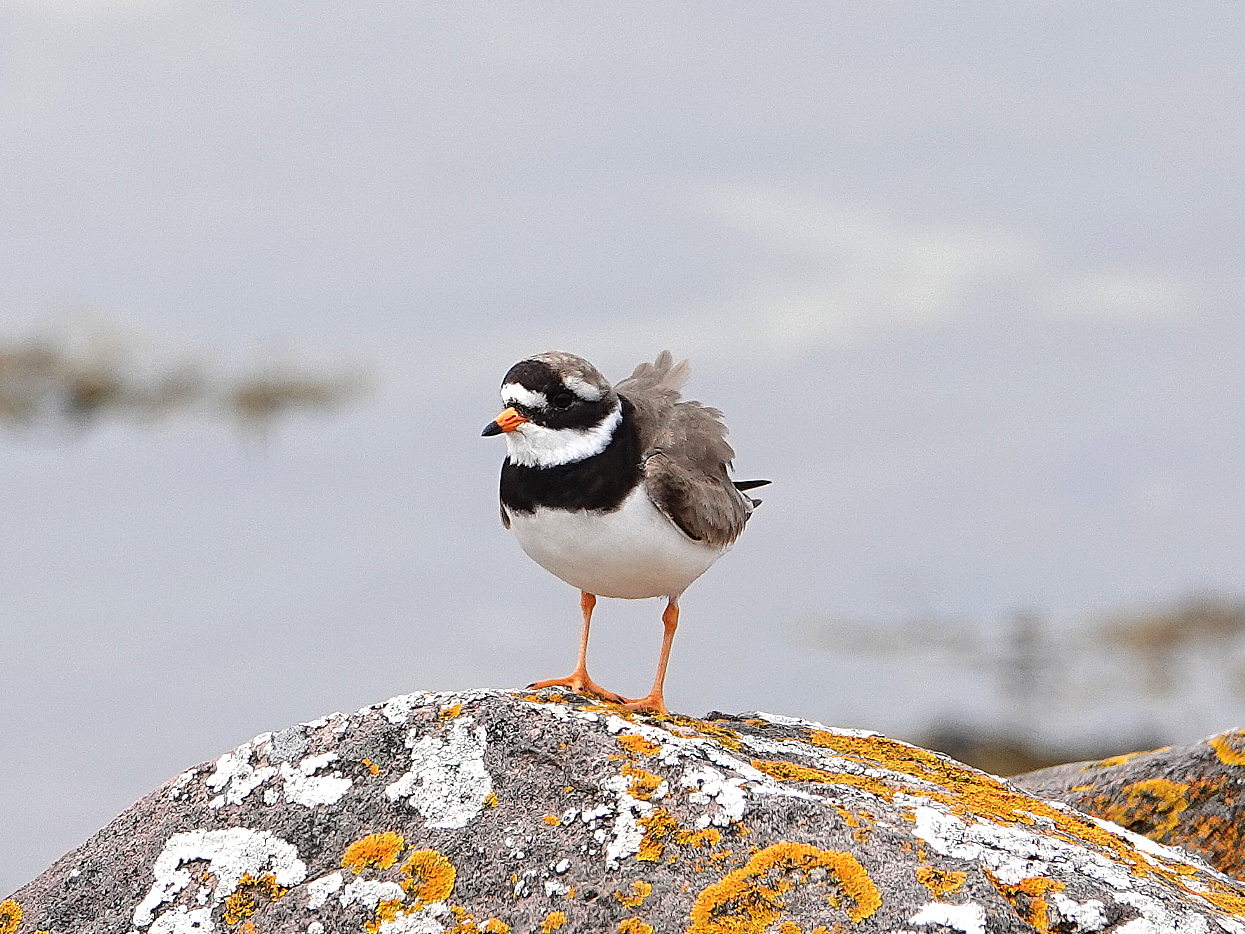
The marsh and the shingle ridge are unique within the National Park and, though currently supporting a diverse range of wildlife, this coastal landscape could be so much richer without unnecessary disturbance. Just imagine the benefit of oystercatcher and ringed plovers breeding amongst the shingle, with waders such as redshank, sandpiper and egret thriving in the water-filled channels. It would not be difficult to achieve this, so let’s work together to make this a reality.
Image and words: Nigel Hester